


-
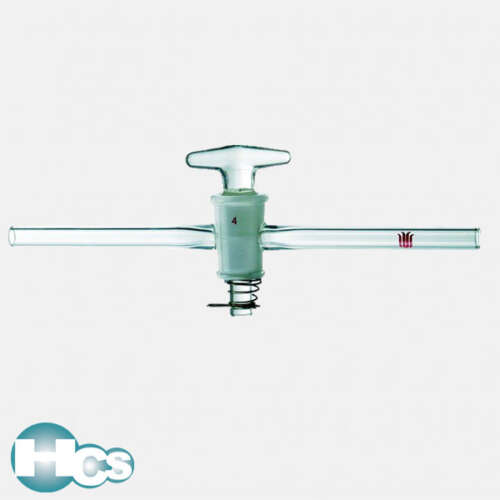 Plugs and barrels are ground to be interchangeable, with 1:10 taper.
 -
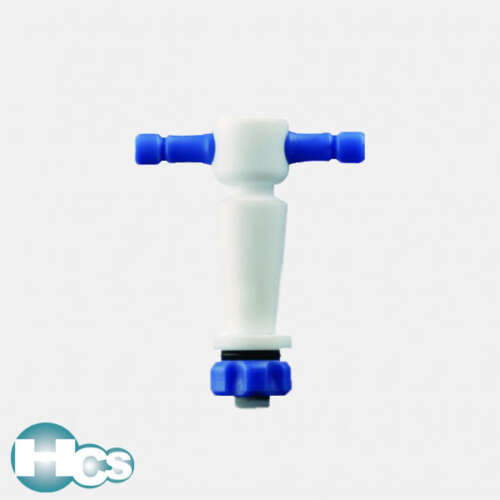
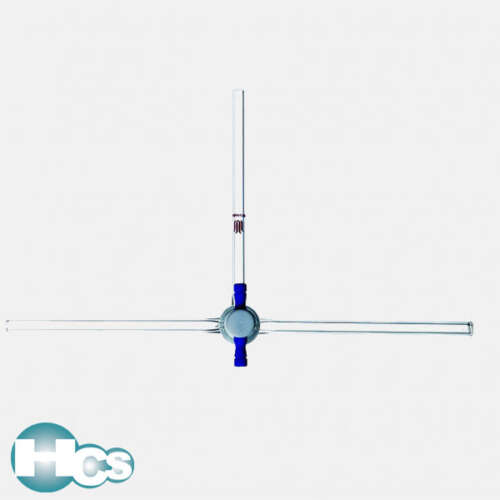 Stopcock with three stems sealed 90°apart. Teflon plug has a "T" shape bore to connect any two or all three stems.
 -
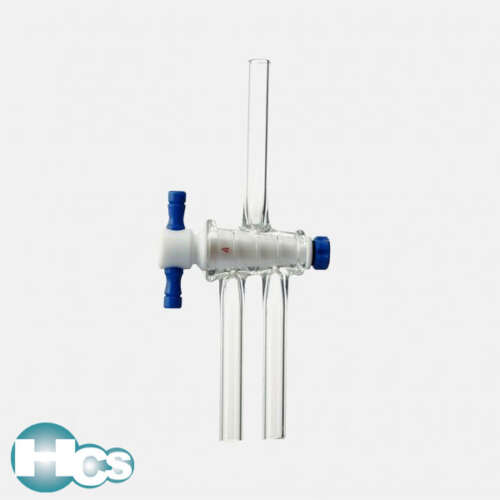 With polished barrels.
 -
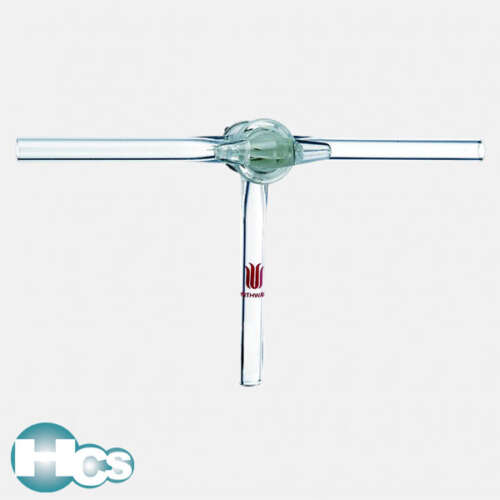 With Solid Plug. With constant pressure retention spring and clip.
 -
Plug is precision ground and hand-lapped with corresponding numbers one the barrel and plug; 1:10 taper. With constant pressure retention spring and clip.
-
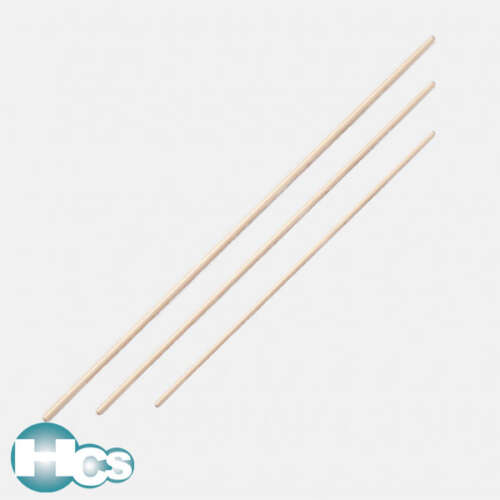 Produced from PVC, the stirring rods are rigid, light yet unbreakable. product is an ideal replacement for glass rods.
 -
 Manufactured from polypropylene, The blades are chemical resistant and are fixed to a steel rod covered with PP with a diameter of 8 x 350mm long.
 -
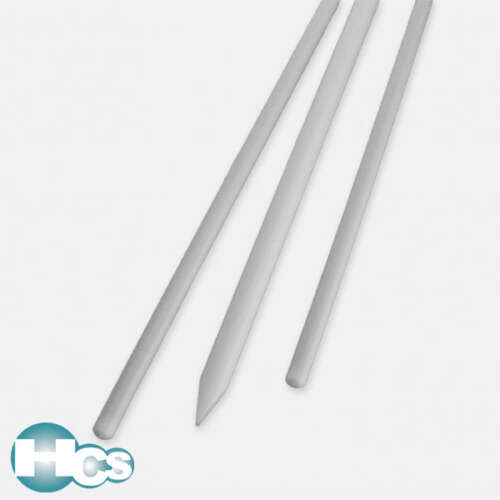 Stirring rods are available in two versions. Pure PTFE solid rod with tapered end and pure PTFE with mild steel core. The version with steel core can be bent into a permanent shape. Inert and will not scratch, use up to 280°C
 -
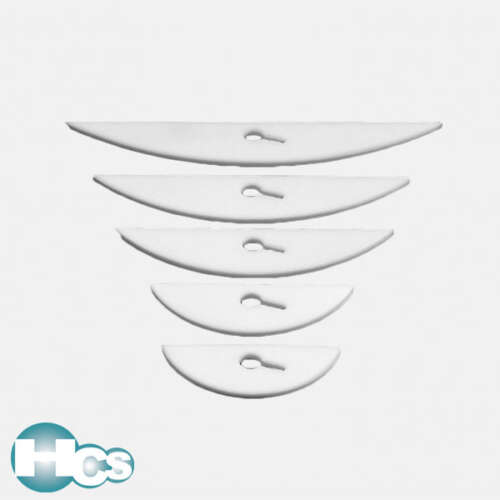 Manufactured from PTFE. The stirrer blade will fit all standard button-tip stirring shafts. "Long groove" keyhole (Ø9mm) provides easy insertion into flask neck and proper position for stirring action. Can be used continuously at temperature up to 250°C and, 300°C for short intervals. Suitable for foodstuff.
 -
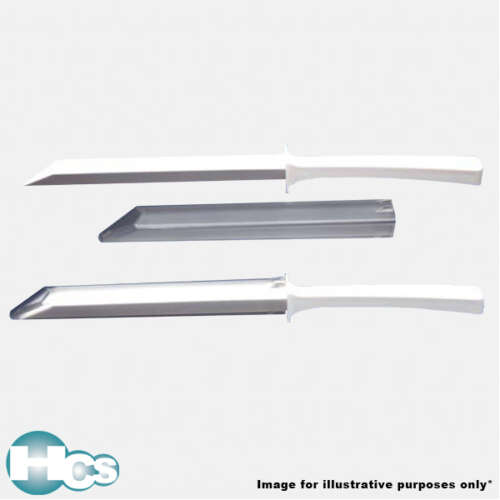 Manufactured from high-quality polystyrene which resists to most acids, bases and many commonly used solvents. Guarantees temperature resistance between -10°C to +70°C. Sterile spatulas are manufactured as single use. They eliminate the cost of separate sterile bags or containers in sample collection. Perfect shape and size enable efficient sampling of various powder, granulate and paste form samples. Sharp blade penetrates directly into paper or plastic bags for optimum and quick sampling process. Easy to grip and long handle increases the distance between the hand and the sample to reduce cross-contamination risks. Approximate volume values are printed on scoop handles. Sterile spatulas are featured with a transparent lid which protects the samples from dust, moisture, and other effects. The transparent lid should be closed immediately after the sampling to secure a sterile and contamination-free sample. The lid is featured with a frosted write on area for practical use.
 -
 Standardized screw caps for PE bottles DIN 168. Screw cap is made of HDPE.
 -
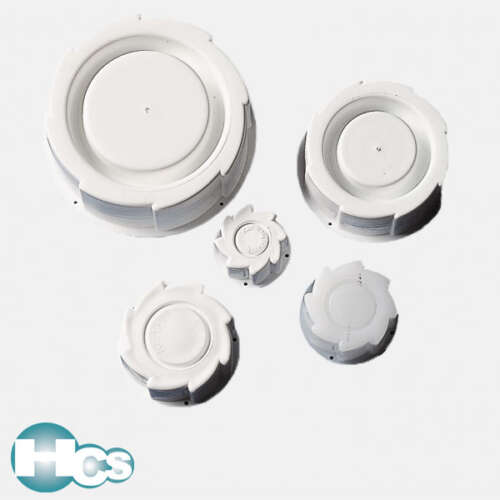 Manufactured from polypropylene. The standardized screw caps for PP bottles DIN 168. Refer here for bottles
 -
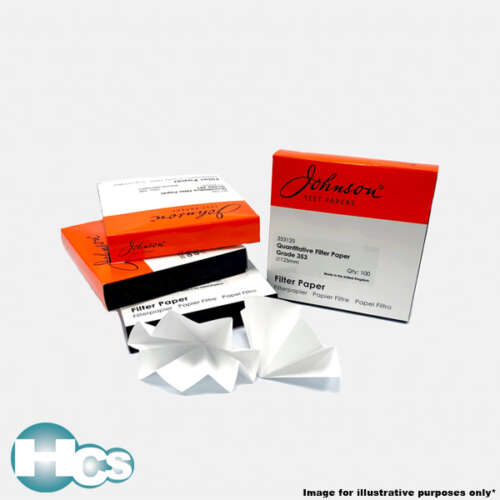 This grade is used for the filtration of coarse particles and gelatinous precipitates such as ferric aluminum and magnesium hydroxides. Grade 305 is used in air monitoring and gas filtration when high flow rate is needed. This grade is also found in routine cleanup analysis of insoluble liquids such as biological fluids and organic elements.
 -
This grade covers a wide range of laboratory applications and is used for clarifying liquids and for rapid filtration of coarser precipitates such as lead sulfate, lead chromate, calcium oxalate, calcium carbonate, aluminum phosphate, barium carbonate and beryllium hydroxide. Grade 304 can be found in soil analysis, seed testing and in air pollution to collect dust-laden air and is also commonly used in the food industry to separate foodstuffs from the associated liquid of extracting liquid.
-
This grade has a larger pore size than Grade 301, but with a lower filtration speed. Grade 303 also has higher absorption than Grade 301 is it used in general laboratory applications. Grade 303 is also found in agricultural and environmental laboratories for plant growth trials, soil testing and air analysis for monitoring specific contaminants and in the filtration of organic and sulfide precipitates.
We have a new website, preview it here


Tel: +65 6777 7077
Email: marketing@hcs-lab.com
Tel: +65 6777 7077
Email: marketing@hcs-lab.com

Get in touch with us today for any inquiries, assistance, or collaborations. We’re here to help!


Copyright ©2026 | HCS Scientific & Chemical All Rights Reserved